Heart disease is becoming increasingly common due to stress, unhealthy eating habits, lack of exercise, and sedentary lifestyles. One of the biggest warning signs for cardiovascular problems is abnormal cholesterol levels. This is why doctors often recommend cholesterol-related diagnostic tests as part of routine preventive healthcare.
If you are planning a health screening at a pathology lab in Kolkata, understanding cholesterol tests can help you make informed decisions about your heart health.
What Is Cholesterol?
Cholesterol is a fatty substance present in your blood. Your body needs it to build healthy cells, produce hormones, and support various functions. However, excessive cholesterol can lead to plaque buildup in arteries, increasing the risk of heart attack and stroke.
A cholesterol test measures different types of fats in your blood and helps doctors evaluate your cardiovascular health.
Why Cholesterol Testing Is Important
Many people with high cholesterol experience no visible symptoms. Without regular diagnostic tests, elevated cholesterol may go unnoticed for years.
Cholesterol screening helps to:
- Detect heart disease risk early
- Monitor the effectiveness of medications
- Evaluate lifestyle-related health issues
- Prevent stroke and hypertension complications
- Track overall cardiovascular health
Experts recommend regular cholesterol testing for adults above 20 years of age, especially those with diabetes, obesity, smoking habits, or a family history of heart disease.
Top Cholesterol Diagnostic Tests
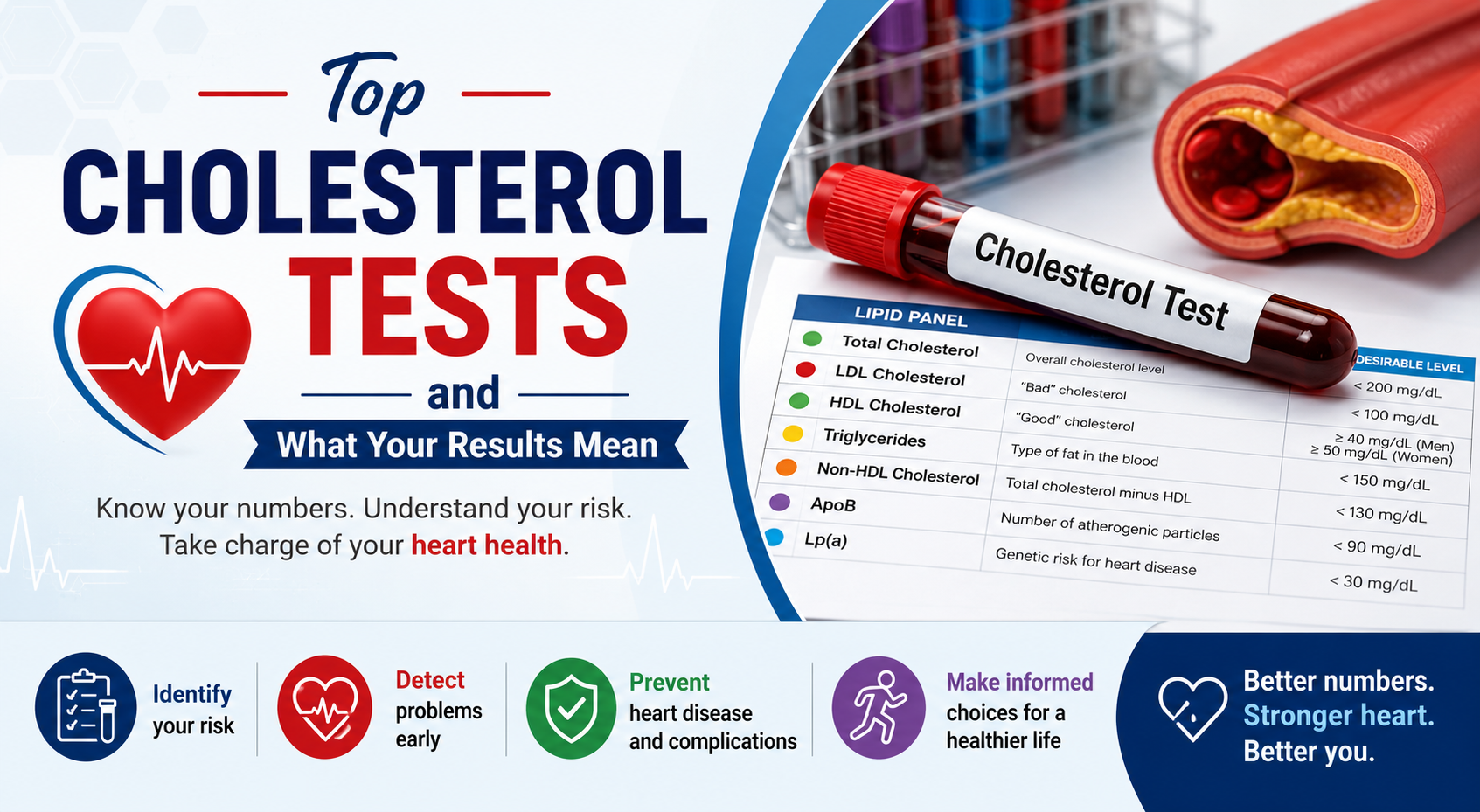
- Lipid Profile Test
The lipid profile is the most common cholesterol-related diagnostic test performed at any pathology lab in Kolkata.
This blood test measures:
- Total cholesterol
- LDL (Low-Density Lipoprotein)
- HDL (High-Density Lipoprotein)
- Triglycerides
- VLDL (Very Low-Density Lipoprotein)
Doctors usually recommend fasting for 9–12 hours before the test for accurate results.
- LDL Cholesterol Test
LDL is often called “bad cholesterol” because high levels can clog arteries and increase heart disease risk.
Ideal LDL Levels
- Below 100 mg/dL — Optimal
- 100–129 mg/dL — Near optimal
- 130–159 mg/dL — Borderline high
- Above 160 mg/dL — High
If your LDL levels are elevated, your doctor may suggest dietary changes, exercise, or medications.
- HDL Cholesterol Test
HDL is known as “good cholesterol” because it helps remove excess cholesterol from the bloodstream.
Healthy HDL Levels
- Above 60 mg/dL — Protective against heart disease
- Below 40 mg/dL for men — Risk factor
- Below 50 mg/dL for women — Risk factor
Higher HDL levels are generally beneficial for heart health.
- Triglyceride Test
Triglycerides are another type of fat found in blood. High triglyceride levels are commonly linked to obesity, diabetes, alcohol consumption, and sedentary lifestyles.
Triglyceride Ranges
- Below 150 mg/dL — Normal
- 150–199 mg/dL — Borderline high
- 200–499 mg/dL — High
- Above 500 mg/dL — Very high
Very high triglycerides can increase the risk of pancreatitis and cardiovascular disease.
- Non-HDL Cholesterol Test
This test calculates all harmful cholesterol types combined. It is particularly useful for people with diabetes or obesity.
Doctors often use non-HDL cholesterol results for a more accurate heart disease assessment.
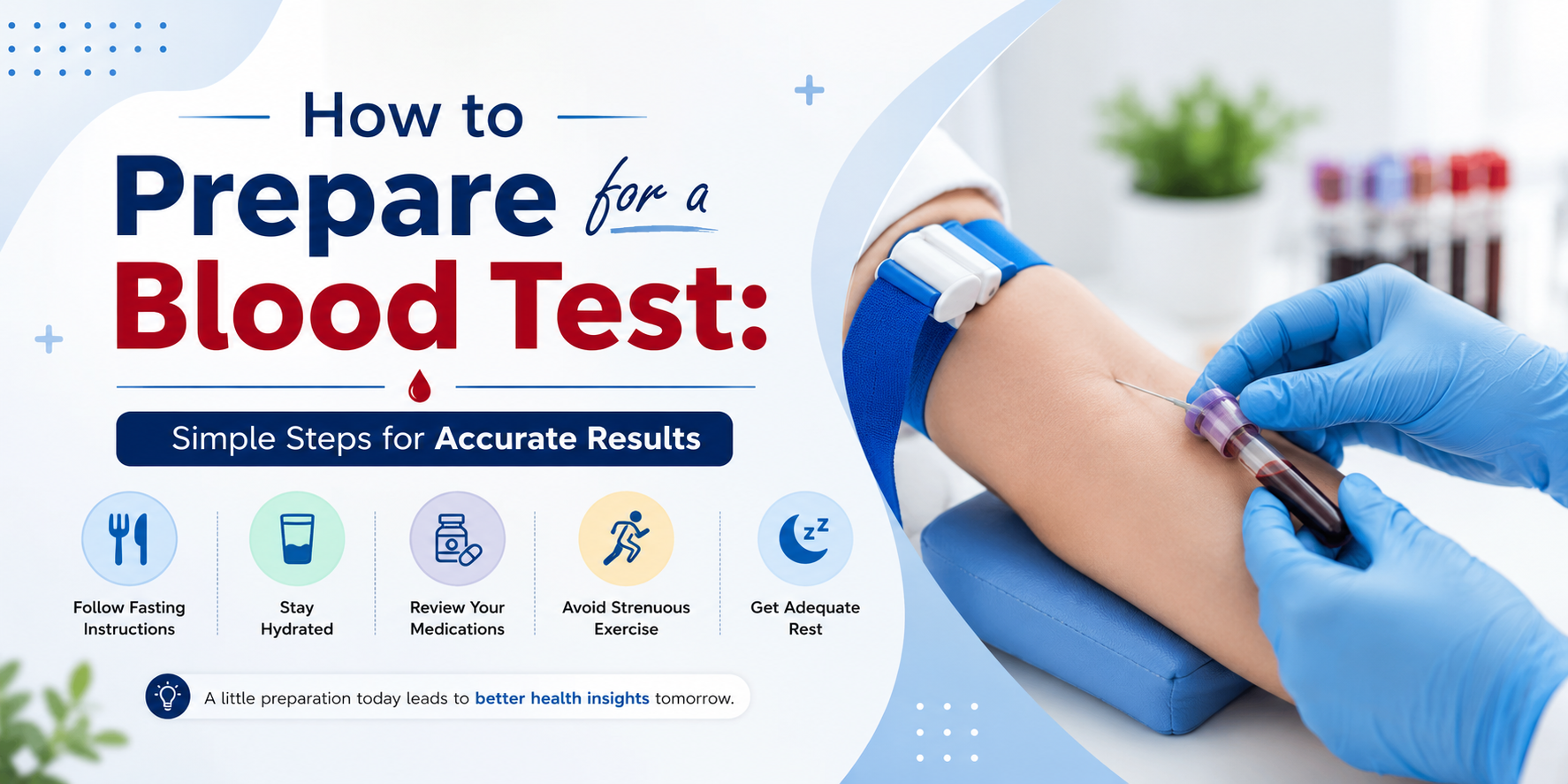
How to Prepare for Cholesterol Tests
Before visiting a pathology lab in Kolkata for cholesterol diagnostic tests, follow these tips:
- Avoid eating fatty foods before testing
- Fast if recommended by your doctor
- Avoid alcohol for 24 hours
- Inform the lab about current medications
- Stay hydrated
Proper preparation ensures more accurate test results.
What Abnormal Results May Indicate
Abnormal cholesterol levels may indicate:
- Increased heart disease risk
- Diabetes complications
- Liver disorders
- Thyroid imbalance
- Metabolic syndrome
Doctors usually evaluate cholesterol reports alongside blood pressure, blood sugar, and lifestyle habits.
Tips to Maintain Healthy Cholesterol Levels
You can improve cholesterol naturally by:
- Eating high-fiber foods
- Reducing fried and processed foods
- Exercising regularly
- Maintaining healthy body weight
- Quitting smoking
- Limiting alcohol intake
- Managing stress
Routine diagnostic tests play a major role in tracking these improvements over time.
Conclusion
Cholesterol testing is one of the most important preventive diagnostic tests for maintaining long-term heart health. Whether you are managing an existing condition or simply prioritizing wellness, regular screening can help detect hidden risks early.
Choosing a trusted pathology lab in Kolkata ensures accurate reporting, professional guidance, and timely diagnosis. With proper testing and healthy lifestyle choices, you can significantly reduce your risk of cardiovascular disease and lead a healthier life.