The monsoon season brings much-needed relief from the summer heat, but it also creates the perfect environment for infections and seasonal illnesses. Increased humidity, waterlogging, and the spread of bacteria, viruses, and mosquitoes can significantly impact your health.
While maintaining proper hygiene and a balanced diet is important, regular diagnostic tests play a crucial role in identifying health concerns early and preventing complications. Timely health screenings can help detect infections, nutritional deficiencies, and underlying conditions before they become serious.
Here are the essential diagnostic tests to consider during the rainy season.
Why Are Monsoon Health Checkups Important?
Monsoon-related illnesses often present with common symptoms such as fever, fatigue, body aches, nausea, and digestive issues. Because many infections share similar symptoms, accurate diagnosis is essential for effective treatment.
Early diagnostic tests can help:
- Detect infections quickly
- Differentiate between seasonal illnesses
- Monitor existing health conditions
- Prevent complications through timely treatment
- Support overall wellness during the rainy season
Children, senior citizens, pregnant women, and individuals with weakened immune systems should be especially cautious during this time.
Common Monsoon Diseases to Watch Out For
The rainy season is associated with an increased risk of:
- Dengue fever
- Malaria
- Typhoid
- Viral fever
- Chikungunya
- Gastrointestinal infections
- Respiratory infections
Since symptoms can overlap, laboratory testing is often necessary to confirm the exact cause.
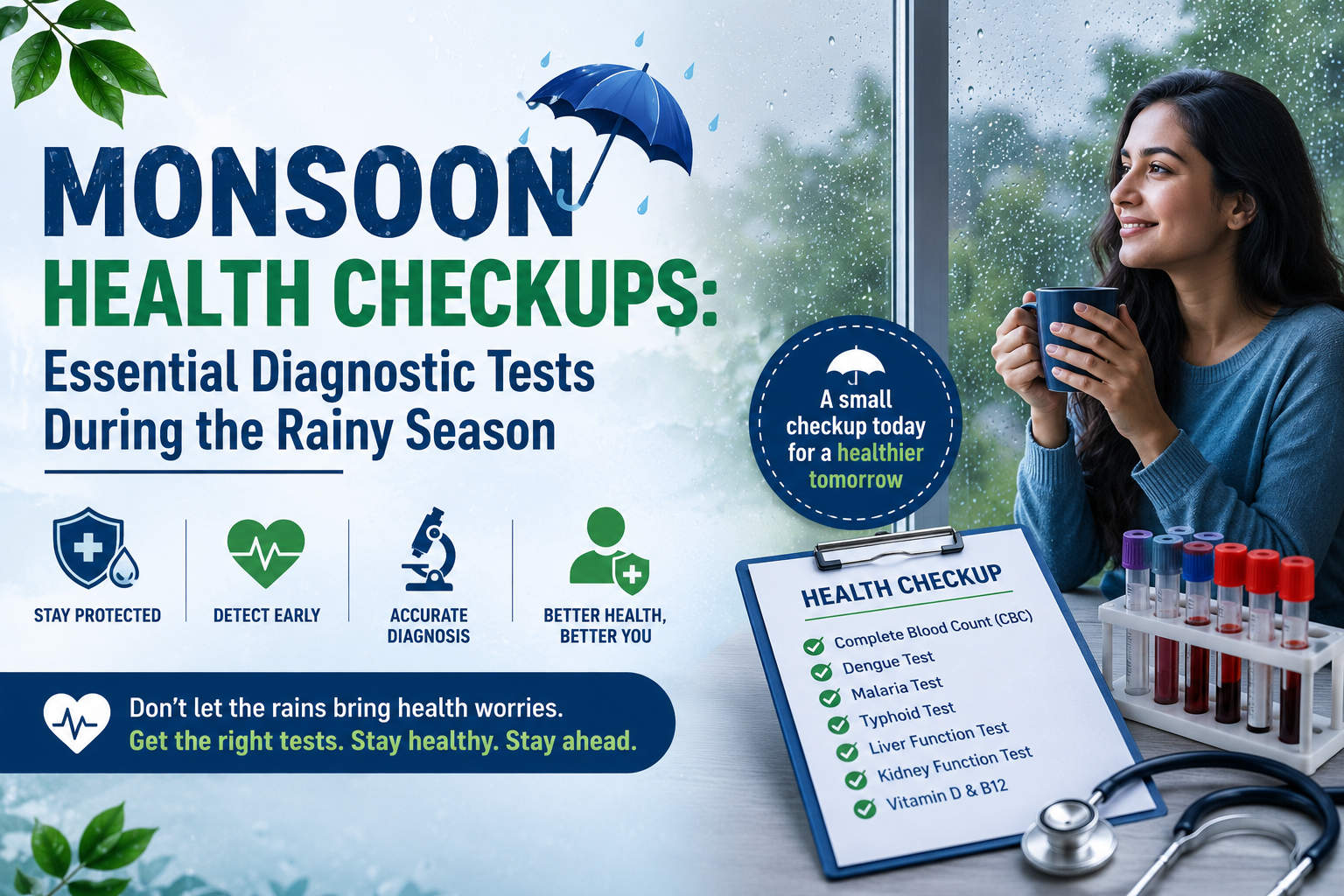
Essential Diagnostic Tests During Monsoon
-
Complete Blood Count (CBC)
A Complete Blood Count (CBC) is one of the most commonly recommended diagnostic tests during monsoon.
This test helps evaluate:
- White blood cell count to detect infections
- Hemoglobin levels to identify anemia
- Platelet count, which is crucial for dengue monitoring
A CBC provides valuable insights into your overall health and helps doctors identify underlying issues quickly.
-
Dengue Test
Dengue cases typically rise during the rainy season due to increased mosquito breeding.
Common dengue diagnostic tests include:
- NS1 Antigen Test
- Dengue IgM and IgG Antibody Tests
If you experience high fever, severe headache, body pain, or a sudden drop in platelet count, consult your healthcare provider immediately.
-
Malaria Test
Mosquito-borne malaria remains a significant concern during monsoon.
Diagnostic options include:
- Peripheral Blood Smear
- Rapid Malaria Antigen Test
Early diagnosis and treatment can help prevent serious complications associated with malaria.
-
Typhoid Test
Contaminated food and water increase the risk of typhoid during the rainy season.
Common typhoid diagnostic tests include:
- Blood Culture
- Typhoid IgM Test
- Widal Test
Symptoms such as prolonged fever, weakness, stomach pain, and loss of appetite should not be ignored.
-
Liver Function Test (LFT)
Certain infections, including dengue and typhoid, can affect liver function.
An LFT helps assess:
- Liver enzyme levels
- Bilirubin levels
- Overall liver health
Your doctor may recommend this test if you experience fatigue, nausea, abdominal discomfort, or jaundice.
-
Kidney Function Test (KFT)
Dehydration and severe infections can impact kidney health.
Kidney function tests evaluate:
- Creatinine levels
- Urea levels
- Electrolyte balance
These diagnostic tests help ensure your kidneys are functioning properly during illness.
-
C-Reactive Protein (CRP) Test
The CRP test measures inflammation in the body and can help determine the severity of an infection.
It is often recommended alongside other diagnostic tests when symptoms are unclear or persistent.
-
Stool and Urine Tests
Monsoon-related digestive infections are common due to contaminated water and poor food hygiene.
Stool and urine tests can help diagnose:
- Food poisoning
- Urinary tract infections
- Intestinal infections
- Parasitic infections
These tests are especially important if you experience diarrhea, vomiting, abdominal pain, or changes in urinary habits.
Who Should Consider Monsoon Health Checkups?
Seasonal health screenings are particularly beneficial for:
- Children
- Older adults
- Pregnant women
- Individuals with diabetes or heart disease
- People with weakened immune systems
- Anyone experiencing persistent fever or fatigue
If you have an existing medical condition, speak with your healthcare provider about additional diagnostic tests that may be appropriate.
Stay Healthy This Monsoon
Along with timely health checkups, follow these preventive measures:
- Drink clean, filtered water
- Avoid stagnant water near your home
- Wash hands frequently
- Eat freshly prepared food
- Use mosquito repellents and protective clothing
- Maintain a strong immune system with a balanced diet and adequate sleep
Monsoon illnesses can develop quickly, but early detection makes all the difference. Regular diagnostic tests help identify health concerns at an early stage, enabling prompt treatment and faster recovery.
Make preventive healthcare a priority this rainy season and consult your healthcare provider if you notice any unusual symptoms.