Menstrual health is a key indicator of a woman’s overall well-being. Irregular periods, severe cramps, or unusual symptoms can often signal underlying health conditions that require attention. This is where a diagnostic test plays a crucial role. From identifying hormonal imbalances to detecting reproductive health issues, the right tests can help ensure timely treatment and better health outcomes.
In this blog, we’ll explore the most important menstrual health tests every woman should know about.
Why Are Diagnostic Tests Important for Menstrual Health?
A diagnostic test helps identify the root cause of menstrual irregularities rather than just treating symptoms. Many conditions like hormonal disorders, thyroid problems, or reproductive health issues may go unnoticed without proper testing.
Early detection through these tests can:
- Prevent complications
- Improve fertility outcomes
- Help manage chronic conditions
- Provide clarity and peace of mind
1. Hormone Level Testing
Hormonal imbalance is one of the most common causes of menstrual problems. A hormone diagnostic test measures levels of key hormones such as:
- Estrogen
- Progesterone
- Luteinizing hormone (LH)
- Follicle-stimulating hormone (FSH)
These tests help diagnose conditions like irregular periods, missed cycles, or excessive bleeding.
2. Complete Blood Count (CBC)
A CBC is a basic yet essential diagnostic test that evaluates overall health. For menstrual concerns, it helps:
- Detect anemia caused by heavy periods
- Identify infections or inflammation
Women experiencing fatigue, dizziness, or heavy bleeding should consider this test.
3. Thyroid Function Test
Thyroid hormones play a major role in regulating the menstrual cycle. A thyroid diagnostic test checks levels of T3, T4, and TSH.
An underactive or overactive thyroid can lead to:
- Irregular periods
- Heavy or light bleeding
- Missed cycles
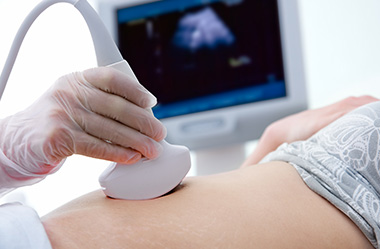
4. Pelvic Ultrasound
A pelvic ultrasound is a non-invasive imaging diagnostic test that provides a clear view of reproductive organs, including the uterus and ovaries.
It is commonly used to detect:
- Ovarian cysts
- Uterine fibroids
- Structural abnormalities
This test is especially helpful for women with severe pain or irregular cycles.
5. PCOS Screening Tests
Polycystic Ovary Syndrome (PCOS) is a common condition affecting menstrual health. A PCOS diagnostic test usually includes:
- Hormone testing
- Ultrasound imaging
- Blood sugar and insulin levels
Early diagnosis can help manage symptoms like irregular periods, weight gain, and acne.
6. Pap Smear Test
A Pap smear is an important preventive diagnostic test for women’s reproductive health. While it does not directly evaluate menstrual cycles, it helps detect:
- Cervical abnormalities
- Early signs of cervical cancer
Regular screening is essential for long-term health.
7. Endometrial Biopsy
In some cases, doctors may recommend an endometrial biopsy. This advanced diagnostic test involves collecting a small sample of the uterine lining.
It is used to investigate:
- Abnormal uterine bleeding
- Hormonal effects on the uterus
- Potential precancerous conditions
When Should You Consider a Diagnostic Test?
You should consult a healthcare professional and consider a diagnostic test if you experience:
- Irregular or missed periods
- Excessive bleeding or severe cramps
- Bleeding between cycles
- Unusual discharge
- Difficulty conceiving
Ignoring these symptoms can lead to delayed diagnosis and complications.
Tips Before Taking a Diagnostic Test
To ensure accurate results:
- Follow fasting instructions if required
- Inform your doctor about medications
- Schedule tests according to your menstrual cycle
- Choose a reliable diagnostic center
Final Thoughts
Menstrual health should never be overlooked. The right diagnostic test can provide valuable insights into your body and help detect issues early. Whether it’s a simple blood test or an advanced screening, staying informed and proactive is the key to maintaining reproductive health.
Taking control of your health today ensures a healthier tomorrow. If you notice any irregularities, don’t hesitate to seek medical advice and opt for the appropriate diagnostic test.