As we age, maintaining strong and healthy bones becomes increasingly important. After the age of 50, bone density naturally begins to decrease, making bones weaker and more prone to fractures. This is especially common in women after menopause, though men are also at risk as they grow older.
Bone-related conditions such as osteoporosis and osteopenia often develop silently without noticeable symptoms. Many people only discover they have weak bones after experiencing a fracture or injury. This is why regular diagnostic tests for bone health are essential after 50.
These tests help detect early signs of bone loss and allow timely treatment to prevent serious complications.
Why Bone Health Matters After 50
Bones are living tissues that constantly rebuild themselves. However, after the age of 50, the body often loses bone mass faster than it can replace it.
This increases the risk of:
- Osteoporosis
- Bone fractures
- Reduced mobility
- Joint pain
- Postural changes
- Long-term disability
Early detection through diagnostic tests helps protect bone strength and improve quality of life.
Common Risk Factors for Bone Loss
Certain factors increase the risk of bone problems after 50:
- Aging
- Menopause
- Low calcium intake
- Vitamin D deficiency
- Smoking
- Lack of physical activity
- Family history of osteoporosis
- Long-term use of certain medications
If you have one or more of these risk factors, regular bone health screening becomes even more important.
Important Bone Health Diagnostic Tests After 50
- Bone Mineral Density Test (DEXA Scan)
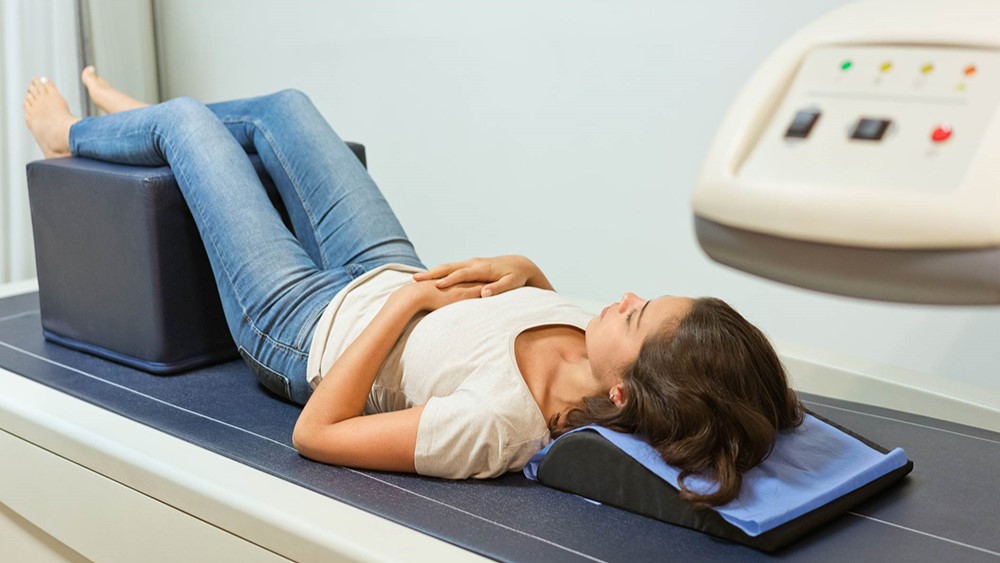
The Bone Mineral Density test, also known as a DEXA scan, is one of the most important diagnostic tests for evaluating bone health.
It measures:
- Bone density
- Bone strength
- Risk of fractures
The test is painless, quick, and highly accurate.
Doctors use DEXA scan results to identify:
- Normal bone density
- Osteopenia (low bone density)
- Osteoporosis
It is strongly recommended for women over 50 and men over 65, or earlier if risk factors are present.
- Vitamin D Test
Vitamin D plays a crucial role in calcium absorption and bone strength.
Low vitamin D levels can lead to:
- Weak bones
- Muscle weakness
- Increased fracture risk
A simple blood test measures vitamin D levels and helps determine whether supplementation is needed.
This is one of the most commonly recommended diagnostic tests for bone health.
- Serum Calcium Test
Calcium is essential for maintaining strong bones.
This blood test checks calcium levels in the body.
Abnormal calcium levels may indicate:
- Bone metabolism disorders
- Hormonal imbalances
- Nutritional deficiencies
Monitoring calcium levels is an important part of bone health assessment.
- Parathyroid Hormone (PTH) Test
Parathyroid hormone regulates calcium balance in the body.
Abnormal PTH levels can affect bone density and lead to bone weakening.
This diagnostic test helps identify:
- Parathyroid gland disorders
- Calcium regulation issues
- Bone metabolism abnormalities
- Bone Turnover Marker Tests
These blood or urine tests measure how quickly bone is being broken down and rebuilt.
They help assess:
- Bone loss rate
- Effectiveness of treatment
- Risk of osteoporosis progression
These diagnostic tests are often used for ongoing monitoring.
- X-Ray Imaging
X-rays may not detect early bone loss but are useful for identifying:
- Bone fractures
- Spinal compression
- Structural bone damage
Doctors often recommend X-rays when there is pain or suspected injury.
- Thyroid Function Tests
Thyroid disorders can impact bone health.
An overactive thyroid can accelerate bone loss.
Thyroid-related diagnostic tests help identify hormonal imbalances that may affect bone density.
When Should You Get Tested?
Experts generally recommend:
Women: Starting at age 50, especially after menopause
Men: Around age 65 or earlier with risk factors
Immediate testing is advised if you experience:
- Frequent fractures
- Back pain
- Height loss
- Poor posture
- Family history of osteoporosis
How to Maintain Bone Health After 50
Along with regular diagnostic tests, follow these steps:
Eat Calcium-Rich Foods
Include:
- Milk
- Yogurt
- Cheese
- Leafy greens
Get Enough Vitamin D
Sun exposure and supplements can help.
Exercise Regularly
Weight-bearing activities strengthen bones.
Examples:
- Walking
- Strength training
- Yoga
Avoid Smoking and Excess Alcohol
Both can weaken bones over time.
Why Early Detection Matters
Bone loss often happens without symptoms.
Regular diagnostic tests can:
- Detect bone weakening early
- Prevent fractures
- Guide treatment
- Improve mobility
- Enhance long-term health
Early action makes treatment more effective.
Final Thoughts
Bone health should never be ignored after 50.
Aging naturally affects bone strength, but timely diagnostic tests can identify risks before serious complications occur.
Tests like DEXA scans, vitamin D screening, calcium tests, and hormone evaluations play a vital role in protecting bone health.
If you are over 50, consider regular bone health screening as part of your preventive healthcare routine. Strong bones are essential for maintaining independence, mobility, and a better quality of life as you age.