The liver is one of the most important organs in the human body, responsible for detoxification, digestion, and metabolism. However, liver problems often develop silently without noticeable symptoms. This is why many people ask: Which diagnostic test is best for liver function?
In this blog, we’ll explore the most effective tests used to evaluate liver health, how they work, and when you should consider getting tested.
What Is a Liver Function Test (LFT)?
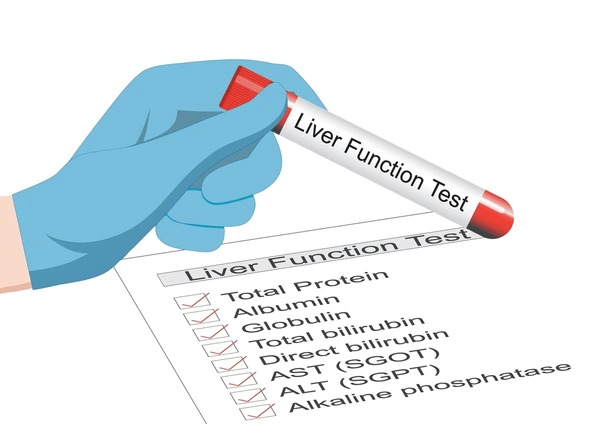
The most common and reliable test for assessing liver health is the Liver Function Test.
It is a group of blood tests that measure different enzymes, proteins, and substances produced by the liver. These values help doctors understand how well your liver is functioning.
Key Components of a Liver Function Test
A Liver Function Test includes several important parameters:
- Alanine Transaminase (ALT)
ALT is an enzyme found in liver cells. High levels may indicate liver damage or inflammation.
- Aspartate Transaminase (AST)
AST is another enzyme linked to liver and muscle health. Elevated levels can signal liver injury.
- Alkaline Phosphatase (ALP)
This enzyme is related to bile ducts. Increased ALP may indicate blockage or liver disease.
- Bilirubin
Bilirubin is a waste product processed by the liver. High levels can cause jaundice and indicate liver dysfunction.
- Albumin and Total Protein
These measure the liver’s ability to produce essential proteins needed for body functions.
Is LFT the Best Diagnostic Test for Liver Function?
Yes, the Liver Function Test (LFT) is considered the best initial diagnostic test for evaluating liver health because:
- It is simple and widely available
- Provides a comprehensive overview of liver function
- Helps detect early signs of liver disease
- Guides further testing if abnormalities are found
However, depending on the results, additional tests may be required for a more detailed diagnosis.
Other Important Diagnostic Tests for Liver Health
While LFT is the primary test, doctors may recommend additional tests:
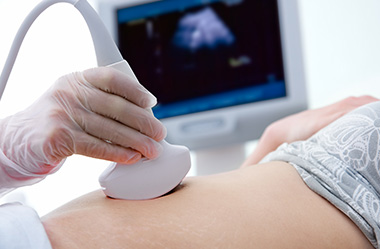
- Ultrasound of the Liver
A Abdominal Ultrasound helps visualize the liver and detect:
- Fatty liver
- Liver enlargement
- Tumors or cysts
- CT Scan or MRI
Advanced imaging tests like CT Scan or MRI provide detailed images of liver structure and abnormalities.
- Hepatitis Tests
Blood tests for hepatitis viruses help detect infections such as Hepatitis B and Hepatitis C, which can damage the liver over time.
- Liver Biopsy
In some cases, a Liver Biopsy may be recommended to examine liver tissue directly and confirm serious conditions.
When Should You Take a Liver Function Test?
You should consider getting a liver test if you experience:
- Fatigue or weakness
- Yellowing of skin or eyes (jaundice)
- Abdominal pain
- Dark urine
- Unexplained weight loss
Even without symptoms, regular screening is recommended if you:
- Consume alcohol frequently
- Have obesity or diabetes
- Take long-term medications
- Have a family history of liver disease
How to Prepare for a Liver Test?
Preparation for a liver function test is simple:
- Fasting may be required for 8–12 hours
- Avoid alcohol before the test
- Inform your doctor about medications
Following proper guidelines ensures accurate results.
Benefits of Early Liver Testing
Early diagnosis through tests like LFT offers several advantages:
- Detects liver problems at an early stage
- Prevents complications
- Helps in timely treatment
- Improves overall health outcomes
Preventive testing is key to maintaining liver health.
Final Thoughts
So, which diagnostic test is best for liver function? The answer is clear—the Liver Function Test (LFT) is the most effective and commonly used test to evaluate liver health.
However, depending on your condition, your doctor may suggest additional tests like ultrasound, CT scan, or hepatitis screening for a complete diagnosis.
Taking care of your liver starts with awareness and regular checkups. Don’t wait for symptoms—get tested and stay healthy.
FAQs
Q1. Is LFT enough to detect all liver diseases?
LFT is the first step, but additional tests may be needed for a detailed diagnosis.
Q2. How often should I take a liver test?
Once a year is recommended, or more frequently if you have risk factors.
Q3. Is liver testing painful?
No, it’s a simple blood test with minimal discomfort.