In today’s fast-paced lifestyle, health often takes a backseat—until symptoms appear. That’s why a full body checkup is essential for early detection and prevention of diseases. But many people ask: which diagnostic test should I take for a full body checkup?
In this guide, we’ll break down the most important tests, their purpose, and how to choose the right package for your needs.
What Is a Full Body Checkup?
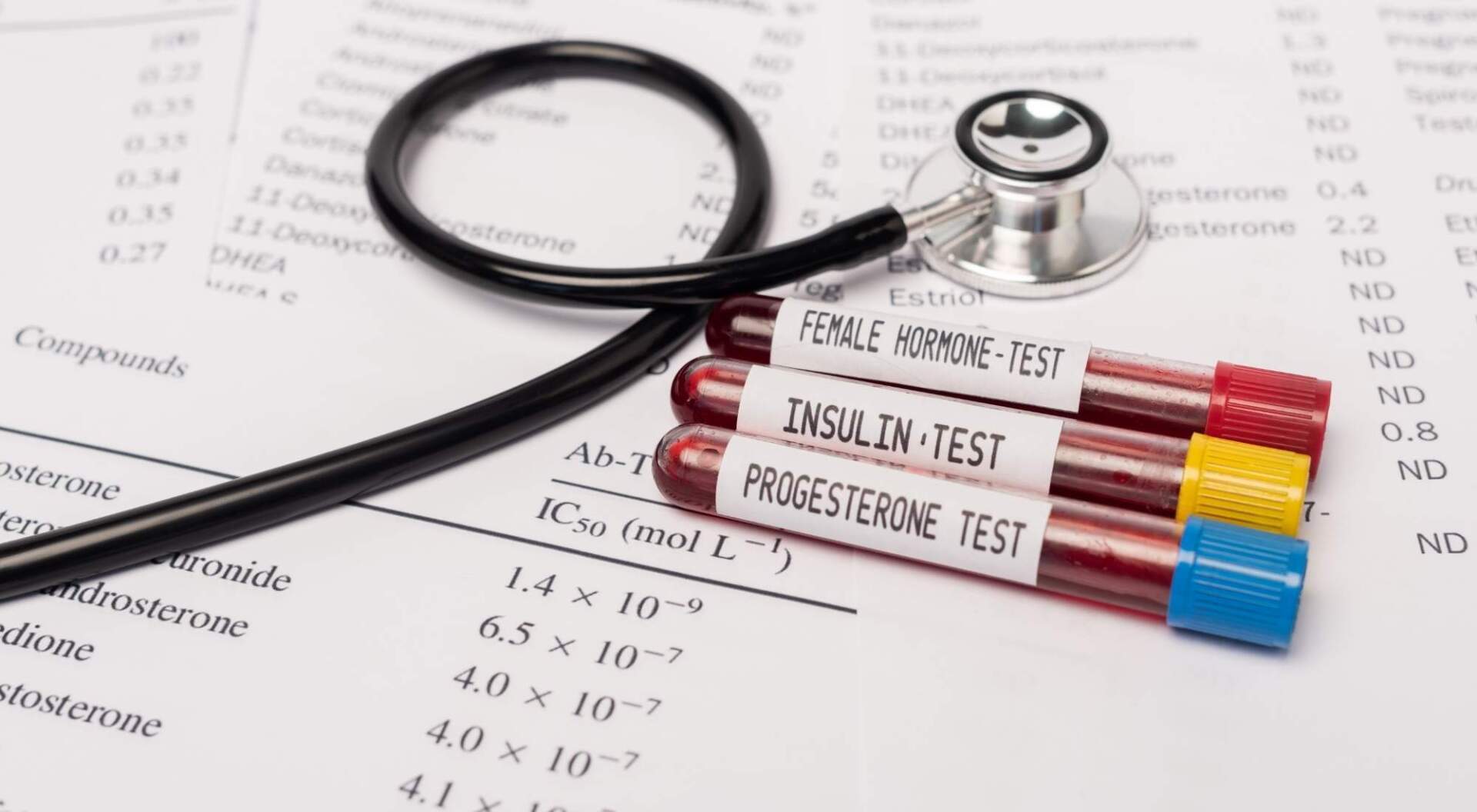
A full body checkup is a comprehensive set of diagnostic tests that evaluates your overall health. It helps detect potential health issues like diabetes, heart disease, liver problems, and infections—even before symptoms arise.
Regular screening ensures timely treatment and better health outcomes.
Essential Diagnostic Tests for a Full Body Checkup
A standard full body checkup usually includes the following key tests:
-
Complete Blood Count (CBC)
This test measures different components of your blood, such as:
- Red blood cells
- White blood cells
- Hemoglobin
👉 It helps detect infections, anemia, and other blood-related conditions.
-
Blood Sugar Test
Includes:
- Fasting Blood Sugar (FBS)
- Postprandial Blood Sugar (PPBS)
👉 These tests help diagnose and monitor diabetes.
-
Lipid Profile
This test checks cholesterol levels:
- HDL (good cholesterol)
- LDL (bad cholesterol)
- Triglycerides
👉 It helps assess your risk of heart disease.
-
Liver Function Test (LFT)
Evaluates liver health by measuring enzymes and proteins.
👉 Useful for detecting liver infections, fatty liver, and other disorders.
-
Kidney Function Test (KFT)
Checks how well your kidneys are working by measuring:
- Creatinine
- Urea
👉 Helps identify kidney-related issues early.
-
Thyroid Function Test (TFT)
Measures thyroid hormone levels (TSH, T3, T4).
👉 Detects thyroid imbalances that can affect metabolism, weight, and energy levels.
-
Urine Routine Test
Analyzes urine for infections, kidney problems, and metabolic conditions.
-
Vitamin & Mineral Tests
Includes:
- Vitamin D
- Vitamin B12
👉 Helps identify deficiencies that can cause fatigue and weakness.
Additional Tests You May Consider
Depending on your age, lifestyle, and medical history, your doctor may recommend:
- ECG (Electrocardiogram) for heart health
- Chest X-ray
- Ultrasound
- HbA1c (long-term blood sugar control)
- Cancer screening tests (for high-risk individuals)
How to Choose the Right Full Body Checkup Package?
When selecting a diagnostic test package, consider the following:
✔️ Age
- Under 30: Basic tests may be sufficient
- 30–50: Include heart and lifestyle disease screening
- 50+: Go for comprehensive packages
✔️ Lifestyle
If you have a sedentary lifestyle, poor diet, or stress, opt for advanced screening.
✔️ Medical History
Family history of diabetes, heart disease, or thyroid issues requires targeted tests.
✔️ Doctor’s Advice
Always consult a healthcare professional for personalized recommendations.
How Often Should You Get a Full Body Checkup?
- Healthy individuals: Once a year
- People with existing conditions: Every 6 months or as advised
Regular testing helps track your health and prevent complications.
Benefits of Full Body Checkup
- Early detection of diseases
- Better treatment outcomes
- Peace of mind
- Improved lifestyle management
Preventive healthcare is always better than cure.
Tips Before Taking a Diagnostic Test
- Fast for 8–12 hours if required
- Stay hydrated
- Avoid alcohol before the test
- Inform your doctor about medications
Proper preparation ensures accurate results.
Final Thoughts
So, which diagnostic test should you take for a full body checkup? The answer depends on your age, lifestyle, and health condition. However, a combination of CBC, blood sugar, lipid profile, liver and kidney tests, thyroid test, and urine analysis forms the foundation of a complete health checkup.
Regular screening is a smart step towards a healthier life. Don’t wait for symptoms—take control of your health today.