
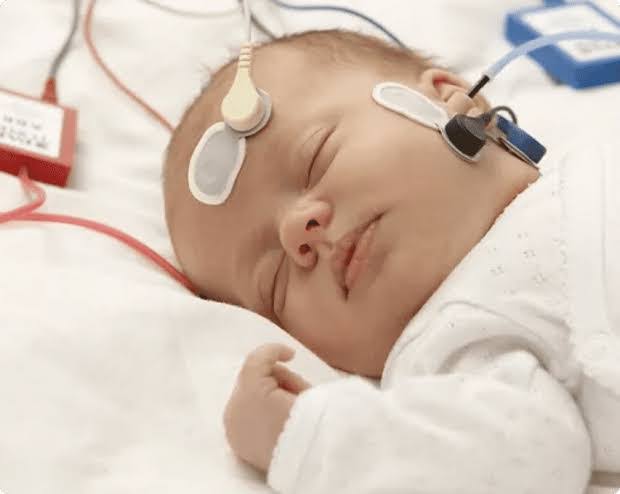
Hearing is a complex process that involves not just the ears but also the brain and nervous system. Sometimes, hearing problems are not caused by issues in the ear itself but by abnormalities in the auditory nerve or brain pathways. This is where the BERA (Brainstem Evoked Response Audiometry) Test plays a crucial role. It is one of the most reliable diagnostic tools used to identify neurological hearing disorders and assess how sound signals travel from the ear to the brain.
What is a BERA Test?
The BERA test is a non-invasive and painless diagnostic procedure that measures the brain’s electrical response to sound stimuli. Small electrodes are placed on the scalp and ears, and sounds are played through earphones. The test records how the auditory nerve and brainstem respond to these sounds.
Unlike standard hearing tests, BERA does not require active participation from the patient. This makes it highly effective for infants, young children, elderly patients, and individuals with neurological conditions who may not be able to respond to traditional hearing assessments.
Understanding Neurological Hearing Disorders
Neurological hearing disorders occur when there is a problem in the transmission of sound signals from the inner ear to the brain. Even if the ear is functioning normally, damage or disruption in the auditory nerve or brain pathways can lead to hearing difficulties.
Some common neurological conditions related to hearing include:
- Auditory neuropathy
- Brainstem lesions
- Multiple sclerosis
- Acoustic neuroma
- Head injuries affecting auditory pathways
In such cases, traditional hearing tests may not provide accurate results, making BERA an essential diagnostic tool.
How BERA Helps in Diagnosis
The BERA test evaluates the functioning of the auditory nerve and brainstem by analyzing wave patterns generated in response to sound. Each wave corresponds to a specific point along the auditory pathway. Any delay or abnormality in these waves can indicate a neurological issue.
This helps doctors:
- Identify the exact location of the problem
- Differentiate between sensory (ear-related) and neural (brain-related) hearing loss
- Detect early signs of neurological disorders affecting hearing
Detection of Auditory Neuropathy
One of the key roles of the BERA test is diagnosing auditory neuropathy, a condition where sound enters the inner ear normally but the signals are not properly transmitted to the brain. Patients with this condition may hear sounds but have difficulty understanding speech.
BERA helps in identifying this condition by showing abnormal neural responses despite normal cochlear function. Early diagnosis is crucial for proper management and therapy.
Role in Brainstem Disorders
The brainstem plays a vital role in processing sound signals. Any damage or abnormality in this area can affect hearing. BERA is particularly useful in detecting brainstem lesions, tumors, or neurological diseases.
For example, conditions like acoustic neuroma (a benign tumor on the auditory nerve) can be identified through abnormal BERA wave patterns. Early detection allows for timely medical intervention and better treatment outcomes.
Importance in Pediatric Neurology
In children, especially newborns and infants, neurological hearing disorders can significantly impact speech and language development. Since babies cannot communicate hearing difficulties, BERA becomes an essential screening tool.
It helps in:
- Early detection of congenital hearing issues
- Identifying neurological causes of hearing loss
- Planning early intervention and therapy
Early diagnosis through BERA ensures that children receive the necessary support to develop communication skills effectively.
Monitoring Neurological Conditions
BERA is also used to monitor patients with known neurological disorders. It helps track changes in auditory pathway function over time and assess the effectiveness of treatment.
For patients with conditions like multiple sclerosis or after head injuries, regular BERA testing can provide valuable insights into disease progression and recovery.
Advantages of BERA Test
- Non-invasive and painless
- Does not require patient response
- Highly accurate for neurological assessment
- Suitable for all age groups
- Helps in early detection of serious conditions
Conclusion
The BERA test plays a vital role in diagnosing and managing neurological hearing disorders. By evaluating how sound signals travel through the auditory nerve and brainstem, it provides detailed insights that traditional hearing tests cannot offer.
Whether it is detecting auditory neuropathy, identifying brainstem abnormalities, or screening newborns, BERA remains an essential tool in modern diagnostic care. Early detection through this advanced test not only improves treatment outcomes but also helps individuals lead a better quality of life with proper hearing support.


No Comments